Small Backyard Chicken Run Plan
Highlighted under: Effortless Food Ideas
I’ve always dreamed of having my own chickens, and finally, I've put together this Small Backyard Chicken Run Plan to make it happen. After much research and a few small trials, I discovered how to create a cozy environment for my flock without sacrificing aesthetics. This plan is designed for those with limited space but big dreams of fresh eggs. Whether you're an experienced farmer or a novice like me, this guide will inspire you to create a functional and enjoyable chicken run in your backyard.
When I started my journey into raising chickens, I realized the importance of a well-planned chicken run. After observing various run designs, I experimented with a few layouts in my backyard. I found that a simple yet secure setup not only accommodates my chickens but also fits harmoniously into my garden. One key aspect I focused on was ensuring adequate ventilation and shade, which made a considerable difference in my chickens' comfort.
I also learned that choosing the right materials is crucial for durability without breaking the bank. By using recycled materials like old pallets and fencing, I managed to create a sturdy chicken run that’s surprisingly pleasing to the eye. This budget-friendly approach allowed me to reinvest in higher-quality feed for my flock, leading to happier chickens and richer eggs!
You Will Love This Chicken Run Plan Because
- It maximizes small spaces without compromising functionality.
- Utilizes recycled materials for a sustainable approach.
- Provides a safe and comfortable environment for your chickens.
Choosing the Right Location
Selecting the right spot for your chicken run is crucial for the wellbeing of your flock. Aim for an area that is well-drained to prevent muddy conditions, as chickens dislike soggy ground. A sunny area is ideal, but make sure there are shaded spots available, especially in the hotter months, to keep them cool and comfortable. Observing how sunlight and shade shift throughout the day can help you find the perfect balance in your backyard.
Consider proximity to your home for easy access to feeding and cleaning. This will encourage you to spend more time with your chickens, promoting better bonding. Additionally, check local regulations regarding chicken keeping, as height restrictions on fences or run requirements may exist. A bit of research can save you potential issues down the line.
Building a Sturdy Frame
When constructing the frame for your chicken run, using sturdy materials is essential. Wooden pallets are a cost-effective option, but ensure they are in good condition and free of harmful chemicals. Reinforce corners and joints with additional posts to increase stability, especially if your run will be larger than 4x8 feet. A well-constructed frame will withstand weather changes and playful chickens.
While you want your chicken run to be inviting, aesthetics shouldn't compromise security. Pay special attention to the height of your frame; a minimum of 6 feet is recommended to prevent chickens from leaping over. If you’re concerned about predators such as raccoons or foxes, consider burying the wire mesh a foot underground to thwart any digging attempts.
Ingredients
Materials Needed
- Wooden pallets or fencing
- Wire mesh or chicken wire
- Posts for support
- Hinges and latches
- Roofing material (optional)
- Designed layout plan
Instructions
Follow these easy steps to build your chicken run:
Select the Location
Choose a well-drained area in your yard that receives plenty of sunlight but also some shaded spots to keep your chickens comfortable.
Create a Layout Plan
Sketch your desired chicken run layout on paper including entrance, nesting boxes, and perching areas for your chickens.
Gather Materials
Collect all necessary materials such as wooden pallets, wire mesh, and latches. Ensure you have enough to support the size of your planned run.
Build the Frame
Using the wooden pallets or fencing, construct the frame of your chicken run according to your layout plan. Ensure it is sturdy and secure.
Add Wire Mesh
Attach wire mesh around the frame to keep your chickens safe from predators while allowing for ventilation.
Make an Entrance
Install a door using hinges and latches, ensuring that it opens easily while securely locking.
Finishing Touches
Optionally, add a roof to shield against the elements and nest boxes for your hens. Finally, decorate your run with some plants or aesthetics that complement your garden!
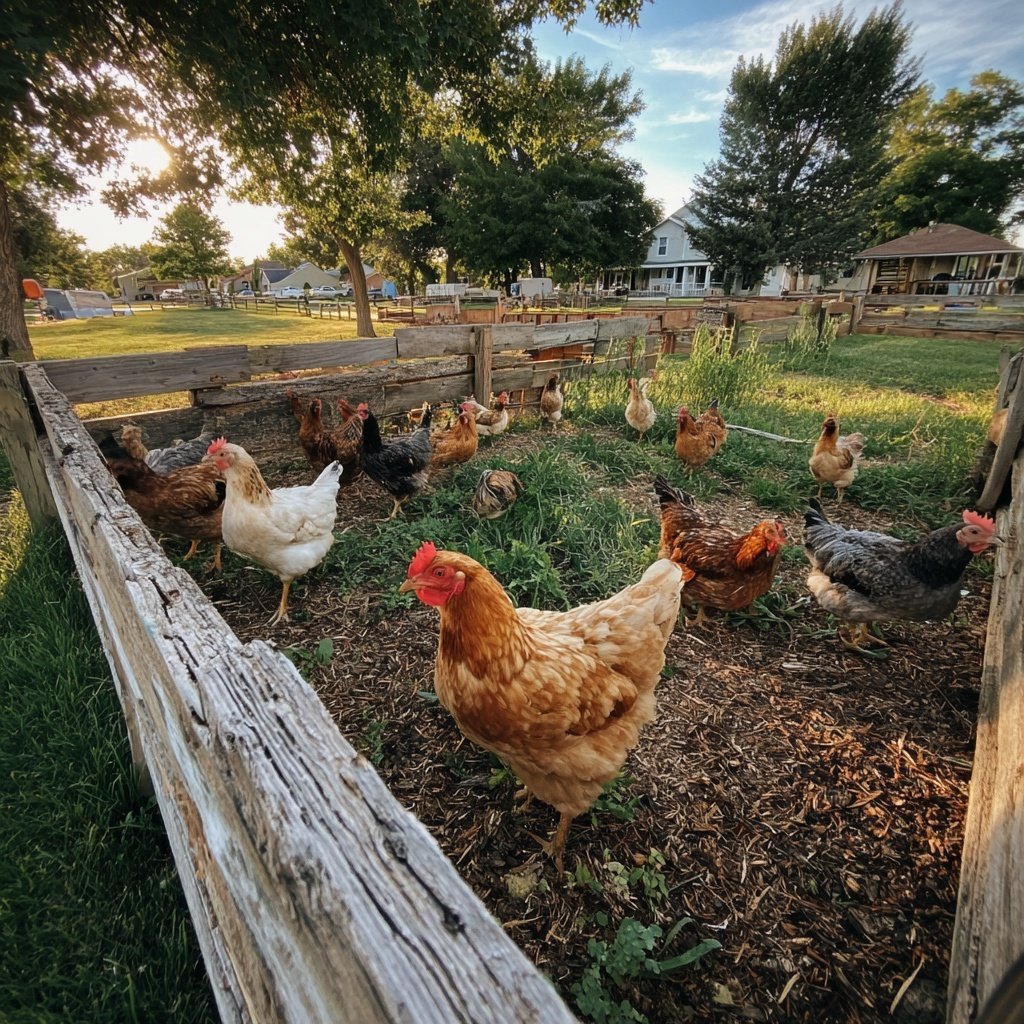
Pro Tips
- Always check local regulations about chicken keeping in your area before starting to ensure you’re compliant. Regular maintenance and cleaning of the chicken run will help in preventing diseases.
Maintenance and Care Tips
To maintain a clean and healthy chicken run, regularly check for any areas that may be prone to moisture or rot. It’s advisable to clean the run at least once a week, removing droppings and any uneaten food. If you notice a wet area, consider adding more bedding material or adjusting the layout to improve drainage. This simple task will reduce odors and help prevent flock sickness.
During winter months, inspect your run for any damage caused by snow or ice. Ensure that there’s proper ventilation while also keeping the space as dry as possible. Chickens can tolerate cold weather but not overly damp conditions. You might want to invest in a simple heater for extremely cold nights or ensure they have enough bedding material to burrow in.
Creating a Cozy Environment
Your chickens will thrive in an environment that feels secure and inviting. Adding nesting boxes filled with straw or hay can encourage natural behaviors and promote egg-laying. Each box should ideally be around 12 inches by 12 inches, providing enough space for them to feel comfortable while nesting. This small detail can drastically affect their wellbeing and productivity.
Incorporate some foraging options within the run. Scatter grains or vegetables around to stimulate their natural instincts. You can also add roosting bars using sturdy branches or wood, positioned at least 2 feet off the ground. This will give your chickens a safe place to perch at night, promoting a restful sleep and a happier, healthier flock.
Questions About Recipes
→ How much space do my chickens need?
As a general rule, each chicken needs a minimum of 4 square feet in the run.
→ Can I use treated wood for the chicken run?
Avoid treated wood as it can leach harmful chemicals. Use untreated wood for your chickens' health.
→ What type of roof is best for a chicken run?
A simple slanted roof with metal sheets or corrugated plastic works great for rain runoff while providing shelter.
→ How often should I clean the chicken run?
You should clean the chicken run at least once a week to maintain hygiene and keep your flock healthy.
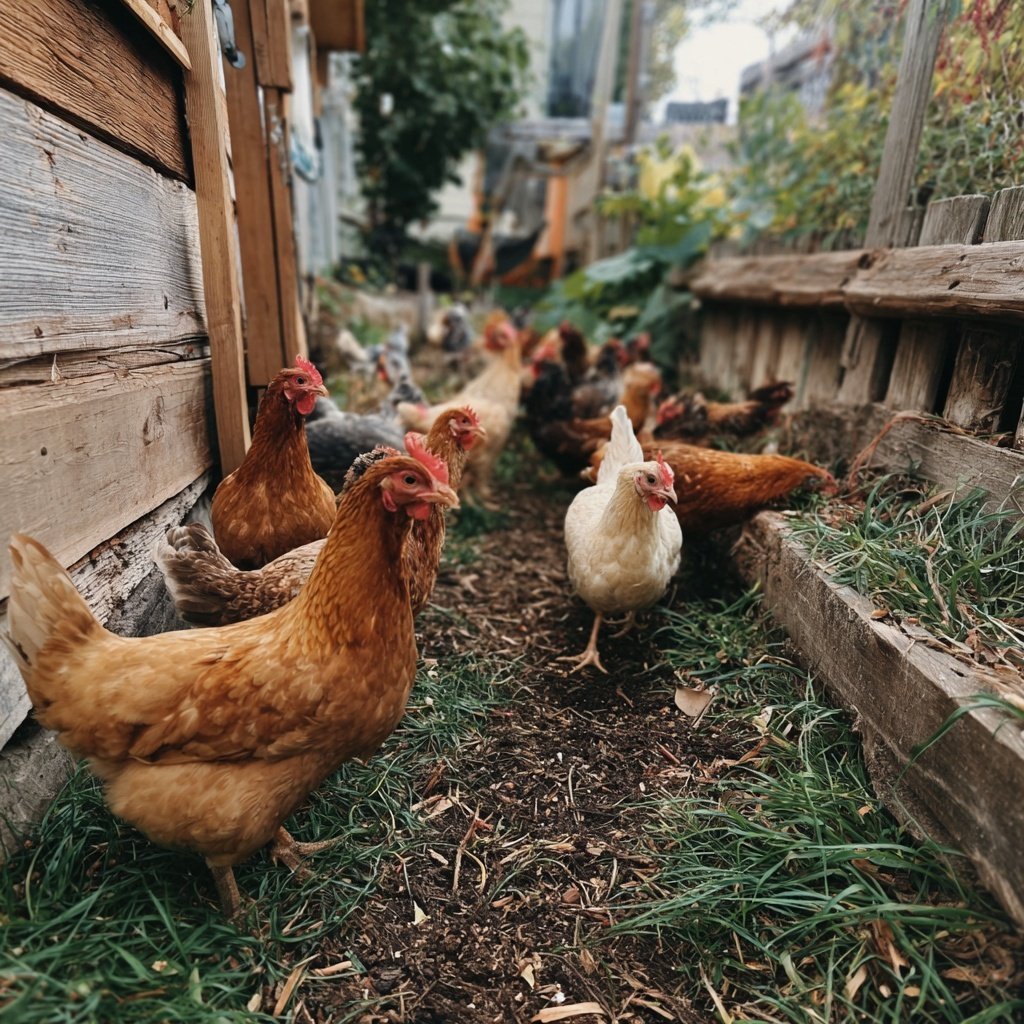
Small Backyard Chicken Run Plan
Created by: Kayla Monroe
Recipe Type: Effortless Food Ideas
Skill Level: Beginner
Final Quantity: 1 chicken run
What You'll Need
Materials Needed
- Wooden pallets or fencing
- Wire mesh or chicken wire
- Posts for support
- Hinges and latches
- Roofing material (optional)
- Designed layout plan
How-To Steps
Choose a well-drained area in your yard that receives plenty of sunlight but also some shaded spots to keep your chickens comfortable.
Sketch your desired chicken run layout on paper including entrance, nesting boxes, and perching areas for your chickens.
Collect all necessary materials such as wooden pallets, wire mesh, and latches. Ensure you have enough to support the size of your planned run.
Using the wooden pallets or fencing, construct the frame of your chicken run according to your layout plan. Ensure it is sturdy and secure.
Attach wire mesh around the frame to keep your chickens safe from predators while allowing for ventilation.
Install a door using hinges and latches, ensuring that it opens easily while securely locking.
Optionally, add a roof to shield against the elements and nest boxes for your hens. Finally, decorate your run with some plants or aesthetics that complement your garden!
Extra Tips
- Always check local regulations about chicken keeping in your area before starting to ensure you’re compliant. Regular maintenance and cleaning of the chicken run will help in preventing diseases.
Nutritional Breakdown (Per Serving)
- Calories: 0 kcal
- Total Fat: 0g
- Saturated Fat: 0g
- Cholesterol: 0mg
- Sodium: 0mg
- Total Carbohydrates: 0g
- Dietary Fiber: 0g
- Sugars: 0g
- Protein: 0g